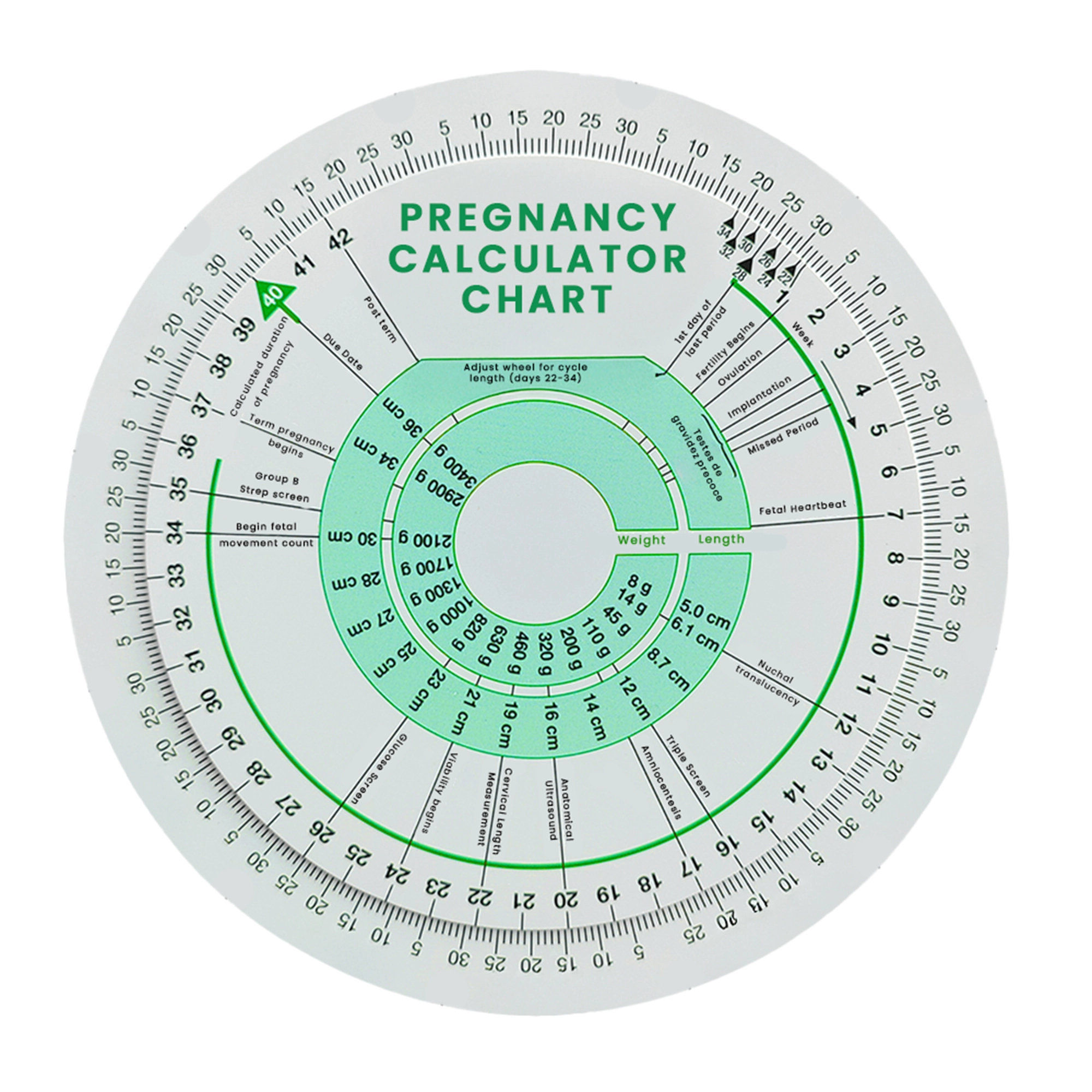
Discover the secrets of your pregnancy journey with precision and simplicity. Simply enter the relevant information into our pregnancy calculator and get ready to move forward on your pregnancy journey with confidence.
result
| expected delivery date | |
| expected delivery date | |
| Pregnancy weeks | |
| Months of pregnancy | |
| Days Remaining | |
| Weeks Remaining | |
| Months Remaining |
Our experts have developed the best pregnancy calculator with simplicity in mind. As a result, this gestational age calculator intuitively calculates your expected due date and gestational week. All you need to do is follow the simple instructions listed below:
Enter the start date of your last period, which usually marks the beginning of pregnancy. This entry helps our pregnancy calculator calculate how many weeks pregnant I am accurately from conception.
Enter the current date using the calendar menu. This parameter is essential for our pregnancy calculator to accurately calculate the current gestational age using the latest available data.
Select your average menstrual cycle length from the drop-down menu. If you're not sure about the correct number, choose the day closest to your usual menstrual cycle.
After filling in all the required details, click on the Calculate Pregnancy button. This will launch our pregnancy calculator algorithms and generate an accurate due date based on the provided data.
Tip:If you want to perform another gestational calculation, delete the previously entered values using the Clear button.
Pregnancy calculator is a medical term that refers to the number of weeks since the start of your most recent menstrual period. This gestational age calculator is important for pregnancy tracking because it calculates how many weeks pregnant you are. Typically, the pregnancy calculator (in weeks) takes into account the day your most recent menstrual cycle began.
When it comes to pregnancy, people often tend to track time in months. This approach needs to be more clarified when calculating weeks of pregnancy. This is mainly because months in a year have an inconsistent number of days—some have 28 (29 in a leap year), 30, and 31. This inconsistency makes the monthly approach an unreliable and unprofessional way to track pregnancy. For this reason, medical professionals recommend using the weekly measurement strategy. This technique is a more standardized method of measurement because it aligns better with fetal development at each stage.
Moreover, it is best suited for varied and irregular menstrual cycles. So, if you have no idea how to calculate your due date using the weekly approach, try our accurate online pregnancy calculator. This pregnancy calculator makes it easier to understand your pregnancy timeline.
If you haven’t tracked or completely forgotten your last period date, don’t worry. It’s common, especially for those who have irregular menstrual cycles. In such situations, you can still get an accurate estimate from our pregnancy calculator. Select a date that’s closest to your memory and run the pregnancy calculator. You can also get assistance from a healthcare professional and use ultrasound to better understand your gestational age. This combined approach will give you a better picture of your pregnancy timeline, even when you’re not sure about your last period date.
Our gestational age calculator puts the ease of pregnancy planning at your fingertips with the help of its extensive feature set. The following list highlights the most prominent strengths of this fetal calculator:
This pregnancy calculator has an easy-to-use layout that ensures a seamless user experience for all individuals.
Our best pregnancy calculator employs robust algorithms and industry standards to operate accurately, providing reliable results.
This gestational age calculator can save you time by providing accurate estimates for your expected due date and gestational age in just a few seconds.
Our dpp calculator can accurately customize results for each user, making complete calculations according to the input data.